
How Rufus Is Changing Amazon Pricing Strategy
For years, repricers had one major advantage.
Invisibility.
Prices could move daily, sometimes hourly, and most shoppers would never notice.
That era is ending.
Amazon’s AI assistant, Rufus, is quietly reshaping how price is surfaced, remembered, and evaluated.
And that changes pricing strategy fundamentally.
Pricing Is No Longer Private
Several recent Rufus updates signal a clear shift toward transparency.
Amazon now:
-
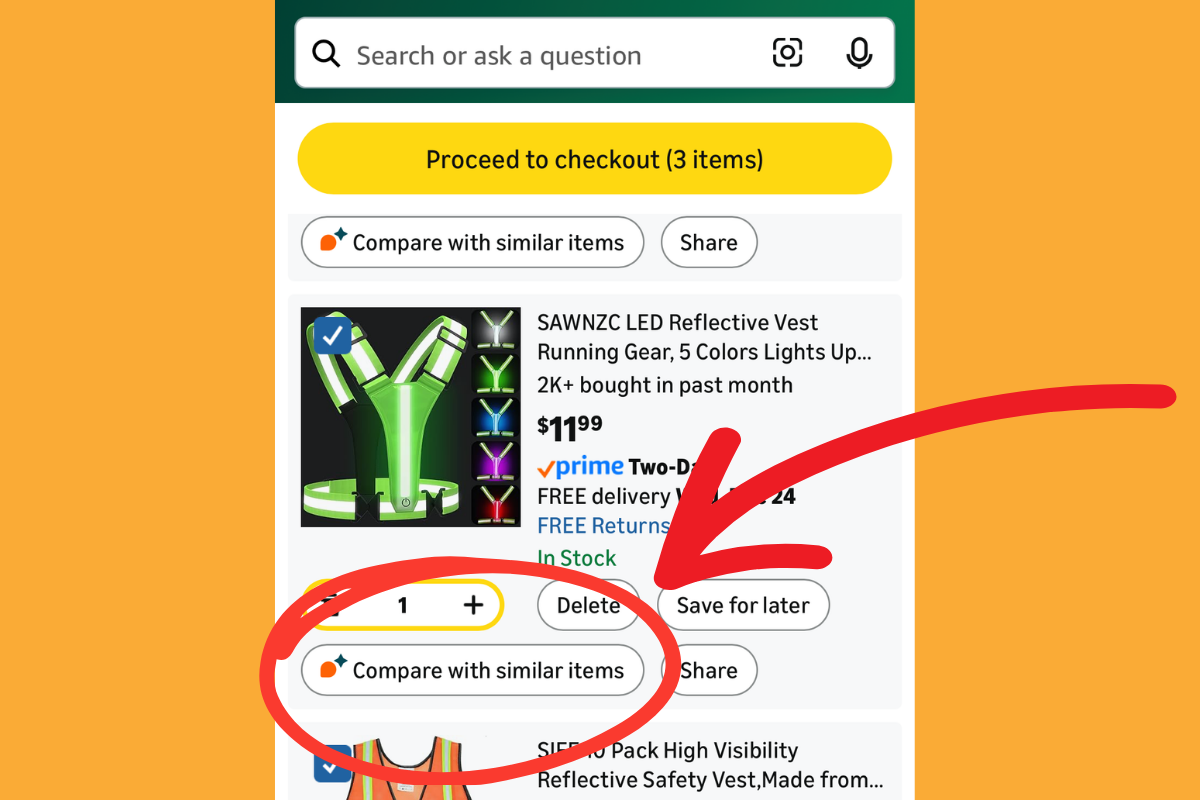
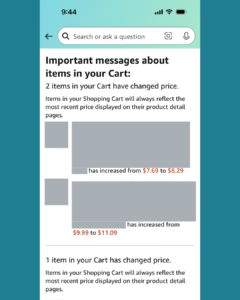
Alerts customers when items in their cart change price
-
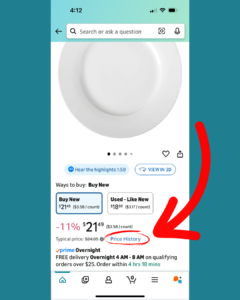
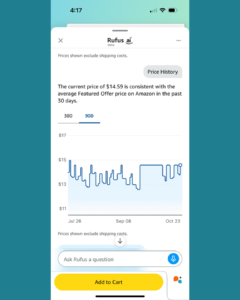
Displays 30 and 90 day price history when asked
-
Tests a visible Price History button directly on listings
-
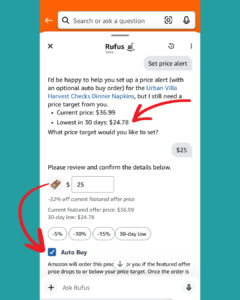
Allows shoppers to set price alerts
-
Enables Auto Buy once a target price is reached
-
Injects Rufus prompts directly into the cart before checkout
These are not small feature tweaks.
They represent a structural change in how pricing is perceived.
The End of Invisible Repricing
Private label repricers historically relied on dynamic pricing.
Small adjustments. Frequent shifts. Algorithmic reactions.
Most shoppers never tracked that behavior.
Now they can.
When Rufus surfaces price history charts, frequent swings leave a visible trail.
When shoppers receive cart notifications, they become aware of volatility.
When Auto Buy is enabled, price becomes a long term monitored variable.
Dynamic pricing begins to look less like optimization and more like instability.
Transparency changes perception.
The Cart Is Now a Pricing Battlefield
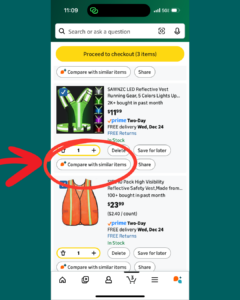
The addition of Rufus prompts inside the shopping cart is especially important.
Price is no longer evaluated only on the search results page.
It is now scrutinized at the final stage of purchase.
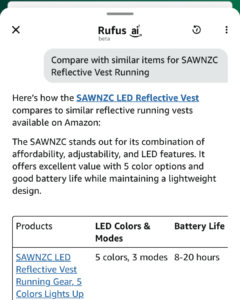
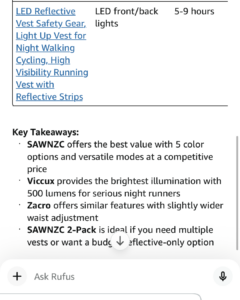
Right before checkout, shoppers can ask Rufus to compare products and pricing.
That means your price must withstand scrutiny longer.
Not just “Is it competitive?”
But “Does it feel justified when compared side by side at the moment of decision?”
This extends the pricing conversation deeper into the buying journey.
AI Remembers What Shoppers Forget
One of the most underestimated changes is memory.
Rufus tracks price history.
Auto Buy can remain active for up to six months.
Price alerts store buyer expectations.
Frequent artificial spikes followed by discount drops are easier to detect.
Fake urgency becomes harder to sustain.
Pricing behavior is no longer ephemeral.
It is persistent.
Why This Favors Structured Brands
Some sellers will react by freezing price entirely.
Others will continue repricing aggressively.
The advantage will likely go to brands that price intentionally.
Rufus does not punish price changes.
It punishes chaotic price behavior.
If your price changes reflect:
-
Clear positioning
-
Market movement
-
Seasonal adjustment
-
Controlled testing
Then transparency is not a threat.
It is reinforcement.
But if pricing fluctuates constantly without logic, AI will surface that pattern.
The Shift From Reaction to Intention
As Amazon layers more AI driven decision support into the buyer experience, pricing confidence becomes more important than ever.
Shoppers who use Rufus are reportedly significantly more likely to purchase in the same session.
That means AI assisted buyers are not fringe behavior.
They are becoming mainstream behavior.
When pricing is evaluated by both human and algorithm at multiple stages, reactionary repricing becomes less sustainable.
Structured pricing becomes more defensible.
What This Means for Amazon Brands
Amazon is nudging the marketplace toward pricing integrity.
Not static pricing.
Not the lowest price.
But pricing that can withstand:
-
Historical comparison
-
Competitive analysis
-
AI interpretation
-
Cart level questioning
This does not eliminate experimentation.
It elevates it.
Price changes should be deliberate, measured, and supported by data.
The brands that thrive will not be those who avoid adjusting price.
They will be those who understand when and why they are adjusting it.
Final Thoughts
Rufus is not just a shopping assistant.
It is a transparency engine.
Price history is visible.
Price alerts are persistent.
Cart level comparison is immediate.
The marketplace is moving from invisible price manipulation to visible price strategy.
For Amazon brands, this is not a reason to fear change.
It is a reason to approach pricing with structure, confidence, and data.
ProvenPrice helps Amazon brands run intentional price experiments, understand how elasticity shifts over time, and adjust pricing with clarity instead of reaction.