
Price Elasticity on Amazon Explained
Most Amazon sellers do not truly understand price elasticity.
Some great Amazon brands do.
And the difference shows up in their profit.
Let’s simplify it.
What Is Price Elasticity on Amazon
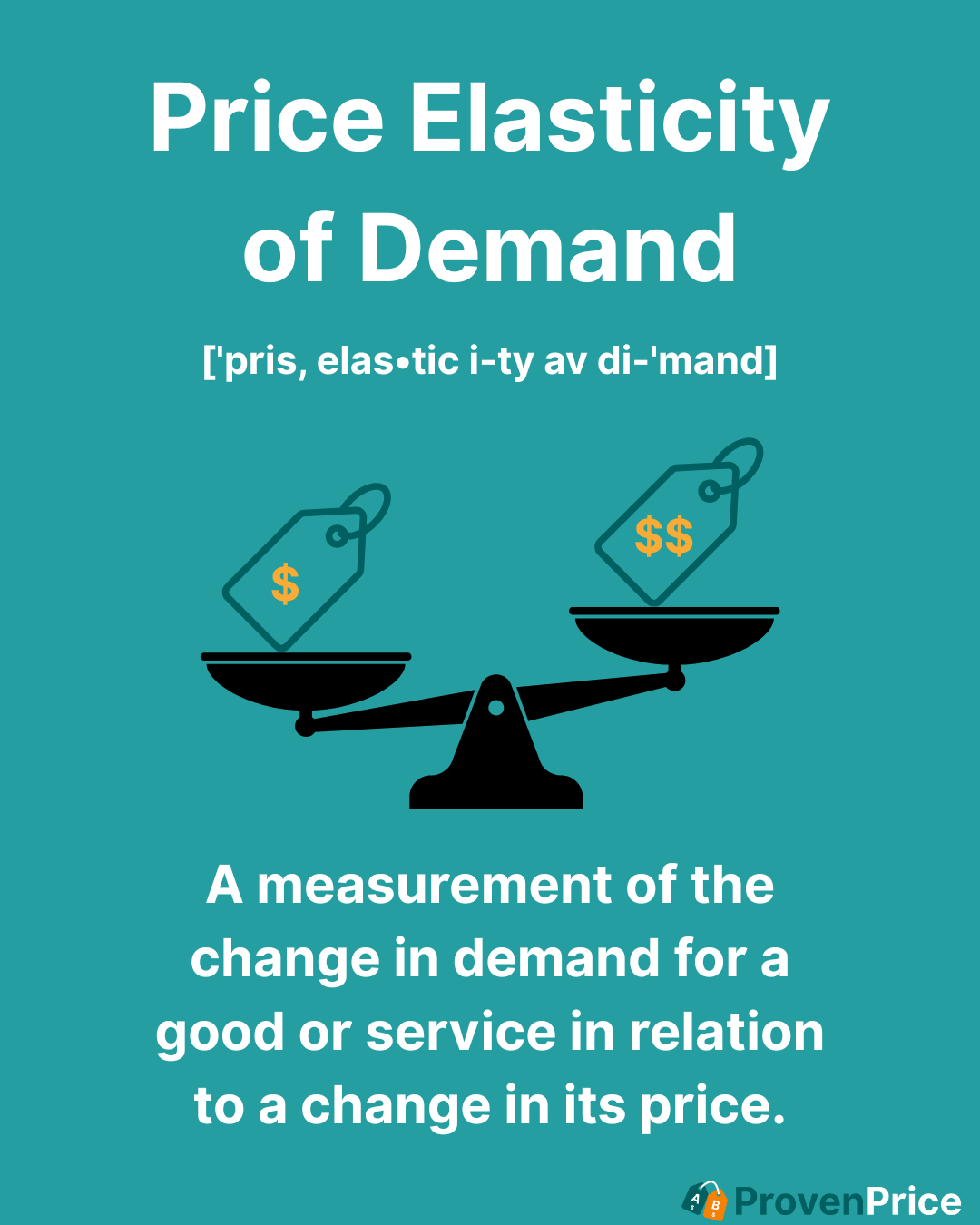
Price elasticity of demand measures how much your sales change when your price changes.
If a small price change causes a big shift in sales, your product is elastic.
If a price change causes little to no shift in sales, your product is inelastic.
That is the definition.
But on Amazon, it is rarely that clean.
The Common Assumption About Pricing
Most sellers believe this:
Higher price equals fewer sales.
Lower price equals more sales.
Simple.
Except it is not.
Sometimes you raise price and sales barely move.
Sometimes they drop.
Sometimes they go up because perceived value increases.
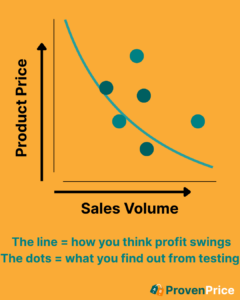
Price and volume do not follow a perfect smooth curve. They behave like a messy system influenced by competitors, reviews, trust, ranking, and buyer psychology.
The clean curve in your head is theory.
The actual data points are what you discover when you test.
Elastic vs Inelastic Products on Amazon
Understanding which category your product falls into is critical.
Elastic Products
Elastic products react strongly to price changes.
Characteristics often include:
-
Highly comparable items
-
Commodity like products
-
Many close competitors
-
Heavy price sensitivity
A small price increase may significantly reduce sales. A small decrease may dramatically increase volume.
Inelastic Products
Inelastic products show little sales movement when price changes.
Characteristics often include:
-
Unique positioning
-
Strong brand presence
-
High review count
-
Differentiated features
-
Loyal customer base
In these cases, raising price may have minimal impact on conversion.
That is where profit expansion often lives.
Why Elasticity Matters More on Amazon
Elasticity is not fixed.
Your product’s elasticity changes over time.
As:
-
Reviews increase
-
Organic rank improves
-
Competitors enter or exit
-
Your brand gains trust
-
Your advertising mix evolves
The “right” price today may not be the right price six months from now.
Many Amazon sellers set a price once and assume it should stay there.
Mature Amazon brands understand that elasticity evolves with momentum.
Your Mental Model of Pricing Is Probably Wrong
Most people carry a simple mental model.
They imagine a clean downward sloping curve where higher price always means lower sales.
That is the line.
But reality looks different.
In real testing, you get scattered dots.
A two dollar increase might raise profit twenty percent.
A ten percent drop might spike sales forty percent.
Or either move might do nothing at all.
You cannot predict the outcome precisely.
You can only form a hypothesis and test it.
That is the difference between guessing and knowing.
How to Discover Your True Elasticity
Elasticity cannot be guessed.
It has to be tested.
Not assumed. Not predicted. Measured.
When you change price and observe how conversion, volume, and profit respond, you begin to see whether your product is elastic or inelastic at that stage of its lifecycle.
Sometimes demand barely moves.
Sometimes it shifts dramatically.
Elasticity reveals itself through structured experimentation, not intuition.
Frequently Asked Questions About Amazon Price Elasticity
Is elasticity the same for every product
No. Elasticity varies by niche, competition level, brand strength, and lifecycle stage.
Can elasticity change over time
Yes. As reviews grow and ranking improves, products often become more inelastic.
Does higher price ever increase sales
In some cases, yes. Higher price can signal quality and increase perceived value, especially for branded products.
Should I lower price if sales slow
Not automatically. Sales declines can be driven by seasonality, competition, or traffic shifts. Testing provides clarity.
Final Thoughts
Price elasticity is not an academic concept.
It is a profit lever.
Most Amazon sellers assume they know how price affects sales.
Smart Amazon brands measure it.
The line in your head is theory.
The dots in your data are reality.
ProvenPrice is a dedicated Amazon price testing platform that helps Amazon brands run structured price experiments, measure elasticity accurately, and optimize for profit instead of assumptions.