
How to Know If Your Amazon Product Is Underpriced
How to Know If Your Amazon Product Is Underpriced
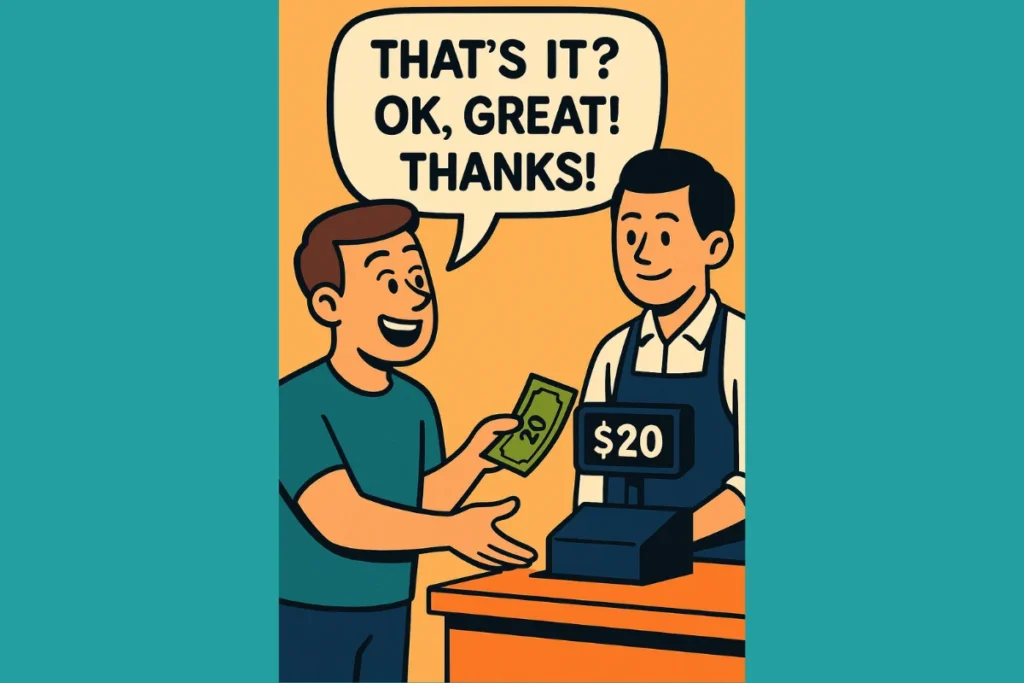
Most Amazon sellers worry about being overpriced.
Very few worry about being underpriced.
That is a mistake.
If your product is underpriced, you are quietly leaving profit on the table every single day. In many cases, the signals are already in your data. You just are not looking at them through a pricing lens.
Here are three clear signals your Amazon product may be underpriced, how to identify them, and what to do next.
Prefer reading? Full breakdown below.
What Does It Mean to Be Underpriced on Amazon
An Amazon product is underpriced when customer demand, conversion efficiency, and advertising performance suggest shoppers would likely continue buying at a higher price.
In simple terms, the product is selling too easily for the margin you are earning.
Being underpriced does not mean you are unprofitable. It means the market is signaling that your perceived value exceeds your current price.
Most Amazon sellers focus on getting more traffic. Serious Amazon brands do both that and focus on extracting more profit from the traffic they already have.
1. High Click Through Rate and High Conversion Rate
If shoppers click your listing at above average rates and convert at above average rates, your offer may be underpriced.
When both CTR and CVR are strong, it usually means:
- Your listing stands out in search results
- Your price is not creating resistance
- Shoppers feel confident purchasing
If conversion remains strong across keywords and campaigns, you may have pricing power.
The key question becomes, would buyers still convert at a slightly higher price?
How to Determine If Your Metrics Are Truly High
Most brands look at their numbers in isolation. You need context.
Method 1
Seller Central → Brand Analytics → Search Analytics → Top Search Terms
Compare your conversion rate by keyword against the top three competitors ranking for that term.
If you consistently convert at a higher rate than competitors for the same keyword, your offer may be underpriced relative to the market.
Method 2
Ads Console → Campaign Manager → Insights and Planning → Brand Metrics
Click “View detailed metrics for your brand in this category.”
This shows:
- Your conversion rate versus the category median
- Your conversion rate versus top performing brands
If you are outperforming the median and approaching top performers, your pricing deserves scrutiny.
Method 3
Industry Benchmarks
Many agencies report that in most categories:
- Greater than 1 percent CTR is strong
- Greater than 10 percent CVR is strong
Benchmarks vary by niche, but if you exceed these ranges consistently, you should at least test a higher price.
2. Reviews Frequently Mention Amazing Value or Great Deal
Review language is an underrated pricing signal.
If customers frequently say:
- Amazing value
- Great deal
- Worth way more than the price
- Can’t believe it’s this cheap
That is not just praise. It is data.
Some value perception is healthy. But if value language dominates your reviews, it may indicate your price is below perceived worth.
Smart Amazon brands pay attention to qualitative signals, not just spreadsheets.
3. Very Low ACOS or Very High ROAS
If your advertising is extremely efficient, your pricing may be conservative.
For example:
- ACOS well below your break even point
- ROAS consistently high across campaigns
- Strong conversion on both branded and non branded traffic
If your ads generate revenue easily and cheaply, demand may be strong enough to absorb a price increase.
The goal is not maximum sales volume. The goal is maximum net profit.
Sometimes a small price increase slightly reduces conversion but significantly increases profit per unit. The only way to know is to test.
When Underpricing Is an Opportunity
One strong signal is interesting.
Multiple strong signals together are meaningful.
If you consistently see:
High click through rates
High conversion rates
Reviews emphasizing value
Highly efficient advertising
You may not just have a good product.
You may have pricing power.
Many Amazon sellers interpret strong conversion as validation that their pricing is perfect.
In reality, it can signal untapped margin.
If demand remains strong even as your brand grows, reviews accumulate, and rank improves, your product may be more inelastic than you think.
The risk is not, testing a higher price.
The real risk is, staying underpriced for months or years and compounding missed profit quietly.
The strongest Amazon brands do not assume their current price is optimal just because sales are healthy.
They revisit pricing deliberately as their positioning strengthens and their elasticity evolves.
Sometimes the market is telling you that you are cheaper than you need to be.
The only mistake is ignoring that signal.
Frequently Asked Questions About Underpricing
Can raising price hurt ranking
It can if conversion drops significantly. But if conversion remains strong and sales velocity holds, rankings often remain stable. Many Amazon brands are surprised to find that small price increases do not hurt performance as expected.
What percentage should I test first
Most controlled tests start with a 5 to 15 percent increase. Larger jumps create unnecessary volatility.
Should I test during peak season
Ideally, avoid major seasonal spikes or promotional periods. Stable traffic makes cleaner comparisons. You do not want a change in consumer behavior during a test period.
Final Thoughts
If your product converts easily, receives consistent value praise, and your ads are highly efficient, you may not have a traffic problem.
You may have a pricing opportunity.
Most Amazon sellers chase more customers.
Mature Amazon brands do both that and optimize the profit from the traffic they already have.
Testing is the bridge between guessing and knowing.
ProvenPrice is a dedicated Amazon price testing platform that automates structured price experiments for Amazon brands, allowing you to measure real profit impact instead of relying on instinct.
Related videos: